
Esthetic Dentistry
Teeth Whitening
Teeth whitening is one of the most popular treatments in cosmetic dentistry, improving the color of natural teeth and giving patients a whiter and brighter smile.
It is a quick and non-invasive treatment that aims to remove internal discoloration and tooth stains from coffee, tea, wine, tobacco, and certain foods.
There are two techniques for teeth whitening: in-office whitening, which is done in one or more sessions using a special whitening gel, and at-home whitening with custom-fitted trays (mouthguards) provided by the dentist for 2-3 weeks. A combination of both methods is usually recommended as it leads to the maximum possible result. The duration of the treatment and technique of whitening are tailored to each case depending on the degree of tooth discoloration and the patient's desires.
Ceramic Veneers
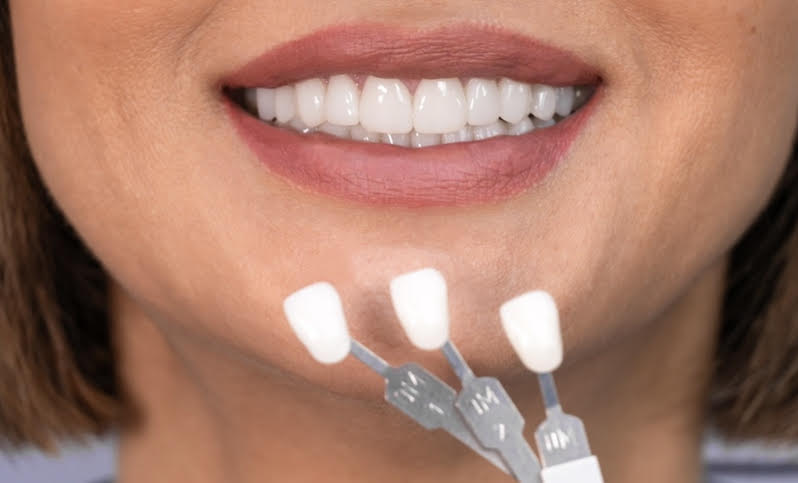
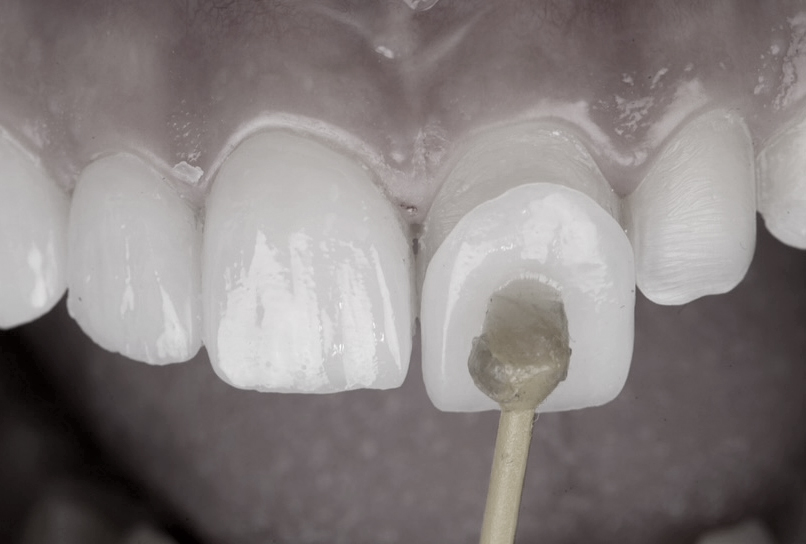
Porcelain veneers, also known as ceramic veneers, are thin porcelain shells that are bonded to the outer surface of the front teeth. Porcelain veneers are often the preferred solution for improving the shape, size, and color of teeth. Additionally, veneers can be used to repair chipped teeth and close gaps between teeth. The properties of porcelain offer a highly aesthetic and natural result with exceptional durability and long-term color stability. It is a minimally invasive or non-invasive technique for teeth depending on the case, as minimal or no tooth modification (shaping) is required.
Composite Veneers
Composite veneers are thin shells made of composite resin that cover the tooth. They provide a non-invasive, easily repairable, and cost-effective method for functional and aesthetic improvement of teeth. No anesthesia is needed, and usually, the procedure is completed in one session. The shade of the veneers is chosen to be adjusted to the natural teeth, and then the desired morphology is built up layer by layer to achieve an aesthetic and natural result. This treatment is often chosen for closing small gaps in the front area, changing the color of teeth in discolored or stained teeth, improving the shape of teeth, repairing fractured teeth, addressing teeth with multiple fillings, and covering parts of tooth roots affected by periodontal disease.
Digital Smile Design
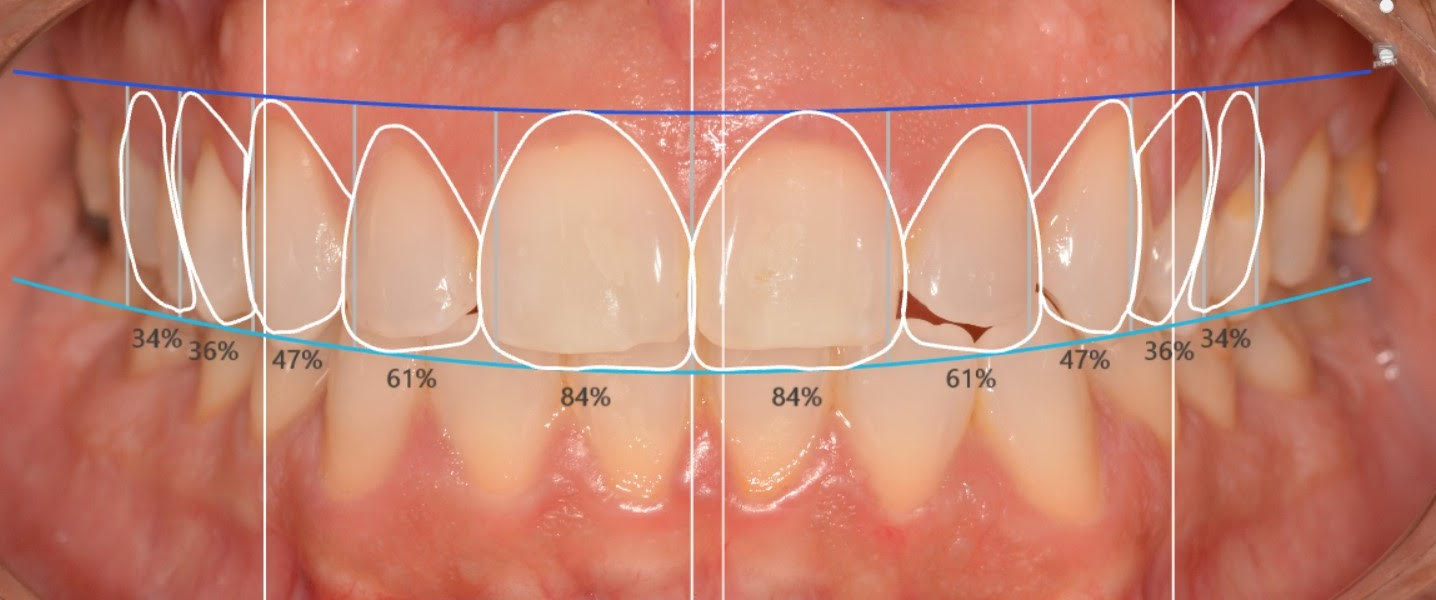
Digital Smile Design (DSD) is an innovative development in the field of aesthetic dentistry that leverages advanced digital technology for the precise design of a smile, helping to personalize treatment. Using a digital scanner and taking detailed photographs and videos of the patient's dental arch and facial structure, an analysis is conducted on the proportions between facial features and teeth, the lip profile, the smile line, and other parameters important for creating an aesthetically pleasing smile.
Ο ψηφιακός σχεδιασμός χαμόγελου ( Digital Smile Design DSD ) αποτελεί μία καινοτόμο εξέλιξη στον χώρο της αισθητικής οδοντιατρικής που αξιοποιεί την προηγμένη ψηφιακή τεχνολογία για τον ακριβή σχεδιασμό του χαμόγελου και βοηθάει στην εξατομίκευση της θεραπείας. Χρησιμοποιώντας το ψηφιακό σκάνερ και με την λήψη λεπτομερών φωτογραφιών και βίντεο του οδοντικού φραγμού και της δομής του προσώπου του ασθενούς γίνεται ανάλυση των αναλογιών μεταξύ των χαρακτηριστικών του προσώπου και των δοντιών, του προφίλ των χειλέων, της γραμμής του χαμόγελου και άλλων παραμέτρων που είναι σημαντικοί για την απόδοση ενός αισθητικά ευχάριστου χαμόγελου. Στην συνέχεια γίνεται ψηφιακός σχεδιασμός και προσομοίωση του αποτελέσματος. Σε αυτό το στάδιο, ο ασθενής μπορεί να δει σε προεπισκόπηση το αισθητικό αποτέλεσμα του μελλοντικού του χαμόγελου και να παρέχει τη γνώμη του πριν να προχωρήσει σε οποιαδήποτε οδοντιατρική παρέμβαση. Αυτή η μέθοδος εξασφαλίζει με προβλέψιμο τρόπο το επιθυμητό αποτέλεσμα, ευθυγραμμίζοντας τα φυσικά χαρακτηριστικά και την τελική εμφάνιση με τις προσδοκίες του ασθενούς.
Following this analysis, a digital design and simulation of the result are carried out. At this stage, the patient can preview the aesthetic outcome of their future smile and provide feedback before any dental intervention takes place. This method ensures a predictable outcome, aligning the patient's natural characteristics and final appearance with their expectations.
FAQ
The duration of teeth whitening mainly depends on the patient's dietary habits, such as the frequency of consumption of foods and drinks with pigments (red wine, black tea, coffee, etc.) and smoking.
In general, the result can last up to 5 years, with some intermediate touch-up treatments.
The whitening procedure is absolutely safe and does not destroy the enamel of the teeth. However, it must be carried out exclusively under the guidance of the treating dentist using certified products.
Porcelain is a fairly durable ceramic material with excellent mechanical properties. A key advantage of porcelain veneers is their color stability, meaning that they do not discolor over time regardless of the pigments consumed. With proper daily oral hygiene, just as applied to natural teeth, veneers can last for many years.
